Букеты из фруктов in 2024: what's changed and what works
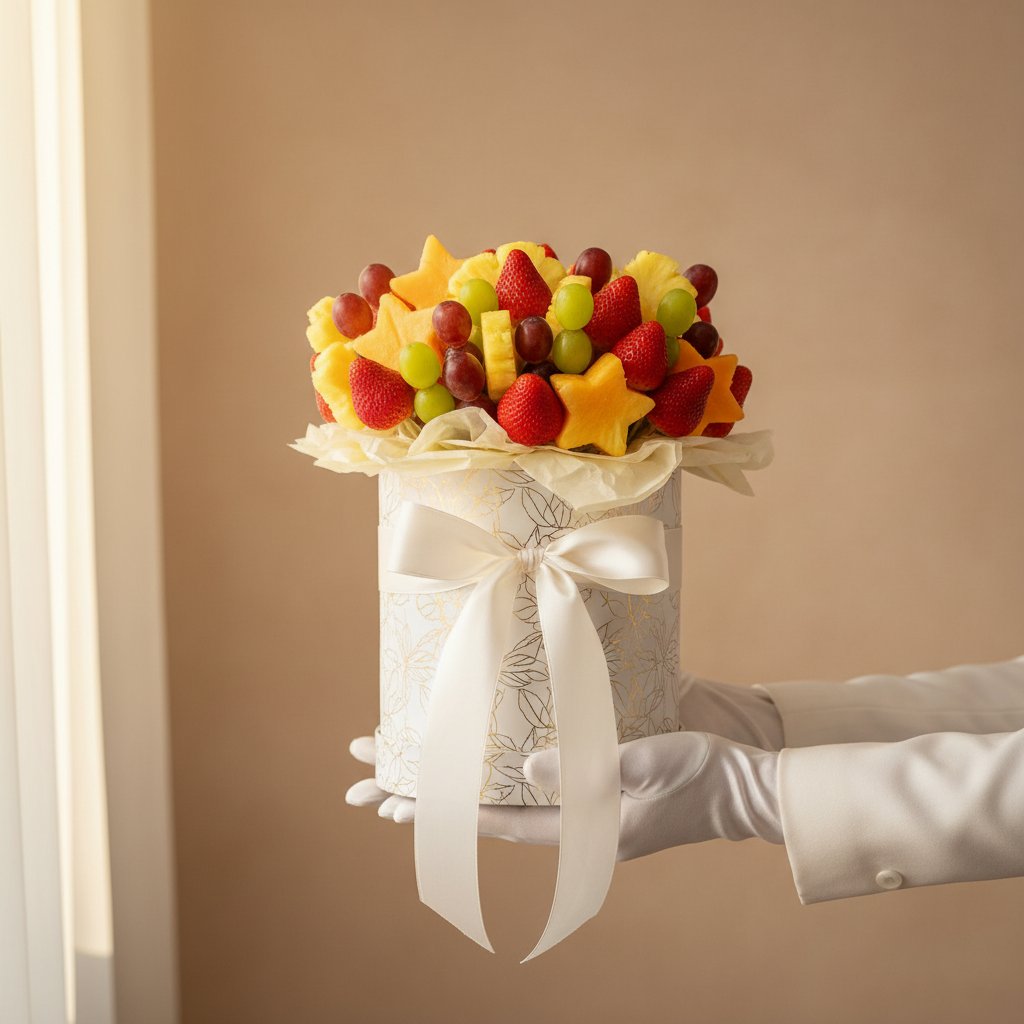
Fruit bouquets have exploded from a quirky gift idea into a full-blown industry. After years of watching this market evolve, I've noticed 2024 brought some serious shifts in how these edible arrangements are made, marketed, and delivered. Here's what actually matters now.
1. Chocolate-Dipped Everything Has Hit Peak Saturation
Remember when chocolate-covered strawberries felt premium? Those days are fading fast. The market got flooded with basic chocolate dips, and customers started expecting more. The shops crushing it in 2024 are layering flavors—white chocolate with freeze-dried raspberry dust, dark chocolate with sea salt and crushed pistachios, or matcha-infused coatings that actually taste good.
The winning move isn't more chocolate. It's better chocolate and smarter combinations. I've seen shops partner with local chocolatiers to create signature coatings that you can't get anywhere else. One creator in Portland increased their average order value by 34% just by swapping generic candy melts for single-origin Venezuelan chocolate. Price point went from $45 to $62, and customers didn't blink.
2. Instagram-Worthy Isn't Enough Anymore
Pretty arrangements still matter, but the algorithm changed the game. Static beauty shots get buried now. The arrangements that actually move the needle in 2024 include some kind of interactive element or "reveal" moment. Think bouquets with hidden compartments, pull-apart designs, or fruits arranged to spell out messages that only show up from certain angles.
Video content drives 67% more engagement than photos for fruit bouquet posts, according to data from creators I've talked to. The shops adapting fastest are designing specifically for unboxing videos and Stories. One smart operator in Austin added tissue paper that crinkles satisfyingly on camera and saw their tagged customer posts jump from 12% to 41% of orders.
3. Same-Day Delivery Became Non-Negotiable
Here's the brutal truth: if you can't deliver within 4-6 hours in major metro areas, you're leaving money on the table. DoorDash and Uber Eats trained everyone to expect instant gratification, and that expectation hit the fruit bouquet world hard this year. Shops that figured out hyperlocal delivery zones and pre-prepped components are eating everyone else's lunch.
The workaround for smaller operations? Partner with existing delivery networks or set crystal-clear expectations. I know a two-person shop in Denver that only offers next-day delivery but communicates it so clearly (and offers a 10% discount for 48-hour advance orders) that their customer satisfaction rating sits at 4.9 stars. Clarity beats speed if you can't do both.
4. Corporate Gifting Exploded (Finally)
B2B orders jumped roughly 180% year-over-year for established fruit bouquet businesses. Companies figured out that sending a $75 fruit arrangement beats another boring gift basket, especially for remote teams. The catch? Corporate clients want invoicing, bulk discounts, and the ability to schedule recurring deliveries.
Shops that added a simple "corporate gifting" page to their website and set up Net-30 payment terms are seeing 25-40% of revenue come from business accounts. One operator told me her corporate clients order the same arrangement for every employee birthday—12 orders a month on autopilot. Set it up once, revenue for months.
5. Dietary Restrictions Are Now Default Considerations
Vegan chocolate options, nut-free arrangements, and diabetic-friendly versions (using sugar-free dips and lower-glycemic fruits) shifted from special requests to standard menu items. About 22% of customers now filter by dietary needs before even looking at designs.
The shops winning here clearly label everything and train their team to understand cross-contamination. It's not just good ethics—it's good business. Offering a certified vegan option opened up an entirely new customer segment for multiple creators I've tracked, adding $8K-$15K monthly revenue without cannibalizing existing sales.
6. Subscription Models Started Working
Monthly fruit bouquet subscriptions seemed gimmicky for years. They finally clicked in 2024. The key? Smaller, more frequent deliveries rather than massive arrangements. Think $35-$45 bi-weekly deliveries instead of $80 monthly ones. Customers stick around for an average of 4.3 months, and the lifetime value crushes one-off orders.
The smartest implementation I've seen offers flexibility—skip a delivery, swap dates, or upgrade for special occasions. One creator in Chicago built her subscription to 73 active members in seven months, generating $2,800 in predictable monthly revenue that covers her baseline costs. Everything else is profit.
The fruit bouquet landscape in 2024 rewards operators who move fast, listen to what customers actually want (not what we think they should want), and build systems that scale without sacrificing quality. The Instagram-pretty era is over. The operationally-sound-and-still-beautiful era is here.